
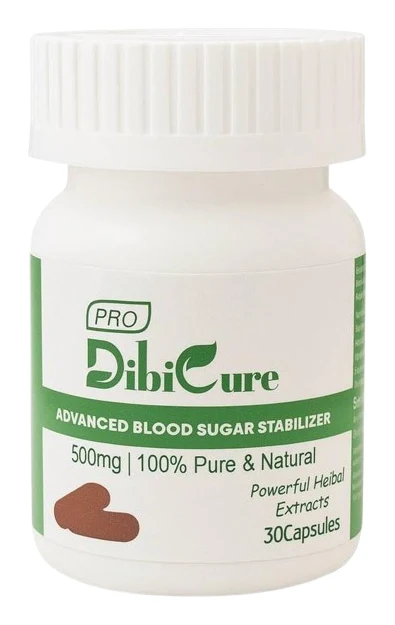
Blood Sugar
DibiCure
Plant extract complex for metabolic wellness
4.7 · 12 published reviews
KSh 6,750 KSh 13,500 −50%
This page is about food, not products. If you take diabetes medication, keep taking it exactly as prescribed — nothing here replaces treatment. What follows is the practical, low-cost side that sits alongside it, built around food that is actually available in Kenya.
Farma360 editorial team · reviewed against our editorial policy

Carbohydrate becomes glucose in the blood. How fast and how high it rises depends on what kind of carbohydrate, how much of it, and what else is on the plate. That is the entire mechanism, and once you have it, most dietary advice for blood sugar stops being a list of rules and becomes obvious.
Refined starch — white rice, white ugali, white bread, chapati made with refined flour — is digested quickly and raises glucose quickly. Fibre, protein and fat all slow that process down. So a plate of ugali alone behaves very differently from the same ugali eaten with beans and sukuma wiki, even though the ugali is identical.
Kenyan staples are inexpensive, filling and easy to over-serve. The single most effective change most people can make is not eliminating ugali or rice but halving the serving and filling the space with vegetables and protein.
A useful mental model for the plate: half vegetables, a quarter protein, a quarter starch. It requires no special food, no additional expense, and it changes the glucose response of the meal substantially. If halving feels like too much, start with a third.

Plant extract complex for metabolic wellness. Name and phone only — an agent confirms the order by call and you pay the courier when the parcel reaches you.
KSh 6,750 KSh 13,500 −50% launch price
This is the least known and most easily adopted change on this page. Eating vegetables and protein before the starch portion of a meal measurably flattens the glucose rise compared with eating the same food in the reverse order.
Nothing is removed, nothing is added, and it costs nothing. Start with the sukuma wiki and the beans or meat, and eat the ugali or rice last.
These are practical and mostly cheap. The point is not to eat unfamiliar food, but to shift the balance of what is already on the table.

Twenty minutes of walking after the main meal measurably reduces the post-meal glucose rise. Working muscle takes up glucose from the blood, and it does so without needing much insulin to do it.
The timing matters more than the intensity — a gentle walk soon after eating outperforms a hard workout hours later, for this specific purpose. It is free, it requires no equipment, and it is one of the most reliably effective habits on this page.
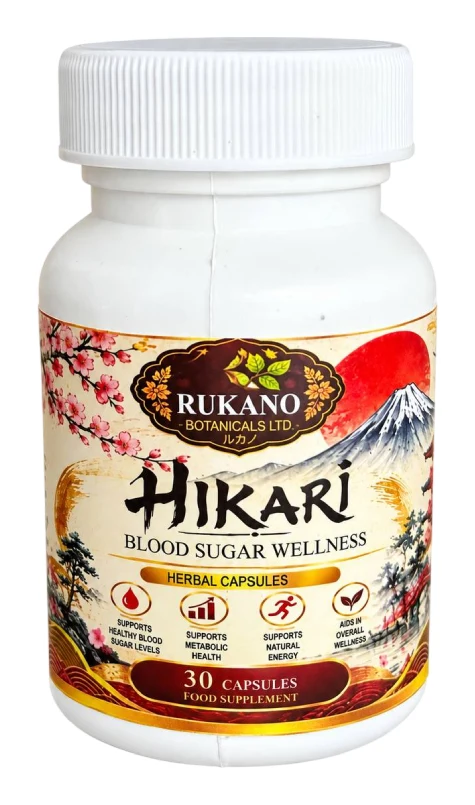
Listed at the launch price with delivery quoted on the confirmation call. Nothing is charged until the parcel reaches you.
KSh 6,480 KSh 12,960 −50% launch price
Short sleep worsens insulin sensitivity within days — this has been demonstrated repeatedly in controlled studies. Someone eating carefully but sleeping five hours is fighting their own physiology.
Chronic stress raises cortisol, which raises blood glucose. That is not a reason to add "reduce stress" to a to-do list as though it were simple, but it is worth knowing when readings are high on a difficult week and the food has not changed.
Without numbers, all of the above is theory. A glucometer with test strips turns it into feedback: you can see what your own body does with a particular meal, which is far more useful than any general rule.
If you have been diagnosed, follow the monitoring schedule your clinician set. If you have been told you are at risk or prediabetic, ask what monitoring makes sense for you. And if you have never been tested and have a family history, are over 40, or carry weight around the middle, a test at a clinic or pharmacy is worth doing.
At the very end of the list, which is where this section belongs. No food supplement is a treatment for diabetes, none makes it go away, and none is a reason to change medication. Anyone telling you otherwise is dangerous, not helpful.
What a metabolic supplement can honestly offer is nutritional support alongside everything above. If you want to take one, take it as an addition to the plate changes, the walking and the monitoring — never as a replacement for them, and never without telling your doctor you have started it.
Plant extract complex for metabolic wellness
4.7 · 12 published reviews
Herbal capsules for blood sugar wellness
4.4 · 43 customer reviews

Herbal metabolic wellness capsules
4.7 · 12 published reviews
Nothing above treats a medical condition. See all supplements or read our editorial policy for how we decide what to publish.
Ugali is a staple food and does not need to be eliminated. What matters is portion size, what accompanies it, and where it comes in the meal. Half the usual serving, eaten after vegetables and protein, behaves very differently from a large portion eaten alone.
Yes. Twenty minutes of walking after the main meal measurably reduces the post-meal glucose rise, because working muscle takes up glucose with relatively little insulin.
Whole fruit comes with fibre that slows sugar absorption and is generally fine in sensible portions. Fruit juice removes that fibre and behaves much more like a sugary drink.
No. Never stop or reduce prescribed medication because of a supplement. Only your doctor can change your treatment plan.
By measuring. A glucometer turns general advice into personal feedback, showing what your own body does with a particular meal. Follow the monitoring schedule your clinician set.
High blood pressure is common in Kenya and frequently undiagnosed, for one simple reason: it produces no reliable symptoms. Most people with…
Knees on stairs, a back that seizes after a long matatu ride, shoulders that complain after a day of lifting. Joint pain is one of the most …
Back to all guides or the Farma360 home page.
Important. This guide is general information about food supplements and everyday health, not medical advice, and it does not replace consultation with a clinician. Never stop or change prescribed medication because of anything you read here. Medicines in Kenya are regulated by the Pharmacy and Poisons Board.