
Blood Pressure — What the Numbers Mean and What Moves Them
High blood pressure is common in Kenya and frequently undiagnosed, for one simple reason: it produces no reliable symptoms. Most people with a dangerously high reading feel completely normal. The only way to know is to measure.
Farma360 editorial team · reviewed against our editorial policy

What the two numbers are
A reading looks like 128/82. The first number, systolic, is the pressure in your arteries when the heart contracts and pushes blood out. The second, diastolic, is the pressure between beats when the heart is filling. Both matter, and both are measured in millimetres of mercury.
Broadly, readings around 120/80 are considered normal, readings consistently at or above 140/90 are generally the threshold at which hypertension is diagnosed, and the range in between is where lifestyle change is most likely to be recommended. Thresholds vary slightly between guidelines and your own targets depend on your age and other conditions, which is why a clinician interprets your reading rather than a chart.
Why symptoms are useless here
Headaches, dizziness and nosebleeds are commonly believed to indicate high blood pressure. They are unreliable in both directions: plenty of people with severely raised readings have none of them, and plenty of people with all three have normal pressure.
This is why hypertension is described as silent, and why it does damage for years before anything announces itself. That damage — to arteries, kidneys, eyes and heart — accumulates quietly, and the first symptom for some people is the event the whole exercise was meant to prevent.

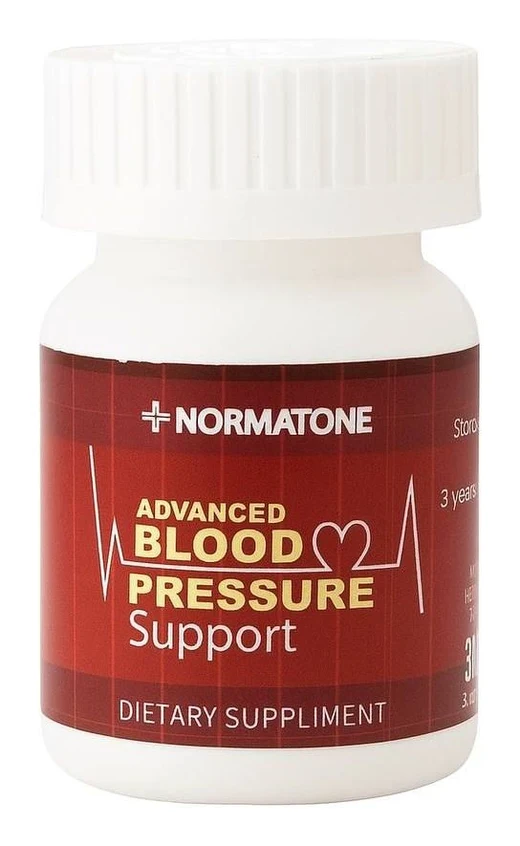
Order Normatone at the launch price
Potassium, magnesium, calcium and L-carnitine. Name and phone only — an agent confirms the order by call and you pay the courier when the parcel reaches you.
KSh 6,750 KSh 13,500 −50% launch price
Getting checked in Kenya
A blood pressure check takes two minutes. Pharmacy counters across Kenya — including the major chains — offer them, often for a nominal fee or free. Every clinic and hospital can take a reading. Home monitors are widely available and inexpensive relative to what they tell you.
A single high reading does not equal a diagnosis. Blood pressure varies through the day, rises with stress, and rises in clinical settings for many people. Diagnosis is based on repeated readings over time, often including readings taken at home, which is one of the arguments for owning a monitor.
- Sit quietly for five minutes before measuring
- Feet flat on the floor, back supported, arm at heart level
- No caffeine or cigarettes for thirty minutes beforehand
- Do not talk during the measurement — it raises the reading
- Take two or three readings a minute apart and record them all
- Measure at the same times each day if you are tracking
What genuinely moves a reading
The interventions with the strongest evidence are unglamorous and mostly free. They are worth doing whether or not you are on medication, because they work alongside it.
- Reduce added salt — table salt, stock cubes, processed meats and packaged snacks are where most of it hides
- Increase potassium — bananas, sweet potato, beans, njahi, avocado, spinach and sukuma wiki
- Lose weight if carrying excess, particularly around the middle
- Move regularly — around thirty minutes most days
- Moderate alcohol, which raises blood pressure directly
- Stop smoking — it damages arteries independently of pressure
- Sleep adequately; short sleep and untreated sleep apnoea both raise readings

Medication, and the mistake people make with it
If a clinician prescribes antihypertensive medication, it is because the assessed risk justifies it. The most common and most damaging mistake is stopping it once readings improve — because the readings improved as a result of the medication, and they will rise again without it.
The second most damaging mistake is stopping it because of something read online or heard from a seller. No supplement, herbal product or dietary change is a reason to reduce prescribed blood pressure treatment. If you want to reduce your medication, that is a conversation with your doctor, who can supervise it safely.
Ready to order Normatone?
Listed at the launch price with delivery quoted on the confirmation call. Nothing is charged until the parcel reaches you.
KSh 6,750 KSh 13,500 −50% launch price
Where supplements fit, honestly
Potassium and magnesium have genuine, established roles in normal blood pressure regulation, and both are commonly under-consumed on refined-starch diets. A supplement supplying them is a legitimate nutritional proposition — not a treatment.
There is a specific safety point that matters more than the general one. Several of the most commonly prescribed blood pressure medicines — ACE inhibitors, ARBs and potassium-sparing diuretics — already raise blood potassium. Adding a potassium supplement on top of those can push levels into a range that affects heart rhythm. That is a genuine hazard, not a cautious footnote, and it is why any supplement containing potassium should be checked with a pharmacist before you start it.
Products related to this topic
Nothing above treats a medical condition. See all supplements or read our editorial policy for how we decide what to publish.
Questions and answers
What is a normal blood pressure reading?
Around 120/80 is generally considered normal, and consistent readings at or above 140/90 are typically where hypertension is diagnosed. Your personal target depends on your age and other conditions, which is why a clinician interprets your reading.
Can I feel high blood pressure?
Usually not. Most people with high readings feel entirely normal, which is exactly why it goes undetected. Headaches and dizziness are unreliable indicators in both directions.
Where can I check my blood pressure in Kenya?
Pharmacy counters across the country offer checks, often for a nominal fee, and every clinic and hospital can take a reading. Home monitors are inexpensive and useful if you have been told your reading is high.
Can I stop my blood pressure medication if my readings improve?
No — not without your doctor. Readings usually improved because of the medication and will rise again without it. Any reduction should be supervised.
Are potassium supplements safe with blood pressure medication?
Not automatically. ACE inhibitors, ARBs and potassium-sparing diuretics already raise blood potassium, and adding more can affect heart rhythm. Check with a pharmacist before taking any supplement containing potassium.
Related guides
Eating for Steadier Blood Sugar in Kenya
This page is about food, not products. If you take diabetes medication, keep taking it exactly as prescribed — nothing here replaces treatme…
How Dietary Supplements Are Regulated in Kenya
Supplements sit in an awkward regulatory space in almost every country, and Kenya is no exception. Understanding roughly where the lines fal…
Back to all guides or the Farma360 home page.
Important. This guide is general information about food supplements and everyday health, not medical advice, and it does not replace consultation with a clinician. Never stop or change prescribed medication because of anything you read here. Medicines in Kenya are regulated by the Pharmacy and Poisons Board.