
Men's Health
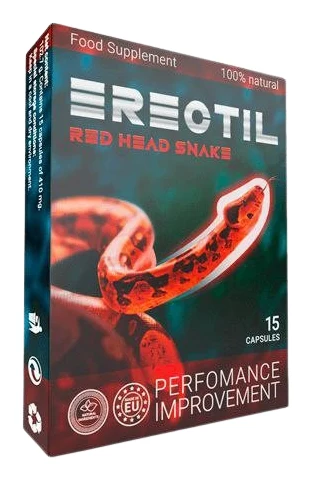
Erectil
Herbal blend with a published ingredient list
4.7 · 12 published reviews
KSh 5,900 KSh 11,800 −50%
Supplements sit in an awkward regulatory space in almost every country, and Kenya is no exception. Understanding roughly where the lines fall makes you a much better buyer — it tells you what a claim on a pack is allowed to say, and what it means when a claim goes further.
Farma360 editorial team · reviewed against our editorial policy

A medicine is a product intended to diagnose, treat, cure or prevent disease. It goes through a formal regulatory process, has to demonstrate efficacy and safety for its stated purpose, and its labelling and advertising are tightly controlled. In Kenya, medicines fall under the Pharmacy and Poisons Board.
A food supplement is legally a food. It is intended to supplement the diet, and its label describes support for normal function rather than treatment of a condition. That is the single most useful thing a buyer can understand, because it explains the wording on every pack.
This distinction explains almost every piece of wording you see on a supplement pack or website. When a product says it "supports normal prostate function" rather than "treats prostate enlargement", that is not marketing coyness — it is the correct wording for a food supplement, and it is the wording to expect on anything you receive.
The Pharmacy and Poisons Board is the national medicines regulator. It registers medicines, licenses pharmacies and pharmacists, and takes enforcement action against unregistered medicinal products. Where a supplement makes medicinal claims, it moves into the Board's territory, and that is when products get seized and sellers get prosecuted.
The Kenya Bureau of Standards sets and enforces product standards, covering food safety, labelling requirements and quality standards. Supplements as foods sit substantially in this area. KEBS also runs the pre-export verification and standardisation mark schemes that apply to imported goods.
The practical result is that a supplement legally imported and sold in Kenya has met food safety and labelling requirements, but has not been assessed for whether it works. Those are different questions, and conflating them is where most buyer confusion begins.

Herbal blend with a published ingredient list. Name and phone only — an agent confirms the order by call and you pay the courier when the parcel reaches you.
KSh 5,900 KSh 11,800 −50% launch price
It means the burden of judgement sits more heavily on you than it does with a prescription medicine. Nobody has evaluated whether this particular capsule does what the marketing suggests. What you can evaluate is what the manufacturer publishes about itself.
The most useful single signal is whether a product names its ingredients. A named list lets you look up each component independently, and lets a pharmacist check it against your medication in a minute. A product that publishes nothing about its composition is asking for trust it has not given you a way to verify.
Some claims are not merely exaggerated but are a signal that the seller is either misinformed or dishonest. A food supplement promising to resolve diabetes is the clearest example — no supplement does this, and the claim is dangerous because people act on it by stopping medication.
The same applies to any product that suggests you can reduce or stop prescribed treatment, that promises a specific number of kilograms in a specific number of weeks, that promises a guaranteed outcome, or that presents itself as a substitute for seeing a doctor. Each of those is a reason to close the page.

A pharmacist at any licensed Kenyan pharmacy will look at a supplement label and tell you whether anything in it conflicts with medication you take. This service is free, takes a minute, and is by far the most useful thing you can do before starting a new supplement. It is particularly worth doing if you take anything for blood pressure, diabetes, thyroid, blood thinning or a heart condition.
For anything symptomatic — pain that is worsening, blood where there should not be, unexplained weight change, urinary problems, breathlessness — a clinician rather than a supplement is the correct first step. Kenya has both public and private pathways for all of these, and a supplement taken instead of an assessment costs you time you may not have.
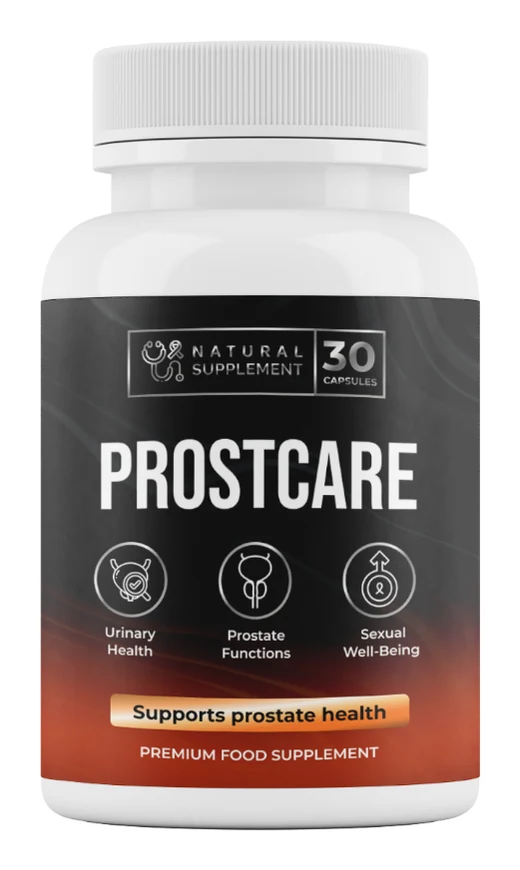
Listed at the launch price with delivery quoted on the confirmation call. Nothing is charged until the parcel reaches you.
KSh 4,999 KSh 9,998 −50% launch price
We publish composition where the manufacturer publishes it, and we say so plainly where they do not. Two products in our range publish full named ingredient lists, two publish partial ones, and the rest publish nothing — and every product page says which category it falls into rather than filling the gap with a plausible-looking list.
We do not publish milligram amounts we cannot verify, we do not print dosage schedules the manufacturer has not stated, and we do not describe any product as treating a condition. Where a symptom needs a doctor, the product page says so. That approach costs us conversions on some pages. It is the only version of this business worth running.
Herbal blend with a published ingredient list
4.7 · 12 published reviews
Nothing above treats a medical condition. See all supplements or read our editorial policy for how we decide what to publish.
The Board regulates medicines. Food supplements are regulated primarily as foods, with standards and labelling overseen by the Kenya Bureau of Standards. A supplement legally on sale has met food safety and labelling requirements, but has not been assessed for efficacy.
No. Standards compliance covers safety, quality and labelling, not whether the product produces a health effect. Those are separate questions.
Yes, subject to the same food and labelling rules that apply elsewhere. A supplement is sold as a food, so its labelling describes support for wellbeing rather than treatment of a disease.
Stop taking it and see a clinician, taking the pack with you. If you believe a product is unsafe or falsely labelled, it can be reported to the Pharmacy and Poisons Board or the Kenya Bureau of Standards.
Often yes, but check first. Interactions are real — anticoagulants, blood pressure medicines, diabetes medication and thyroid treatment are the most common areas of concern. A pharmacist can check in a minute.
Counterfeit supplements are a real problem across the region, and health products are among the most commonly faked categories worldwide. Pa…
Most people look at the front of a supplement pack, which is advertising, and never read the back, which is information. The back is where y…
Back to all guides or the Farma360 home page.
Important. This guide is general information about food supplements and everyday health, not medical advice, and it does not replace consultation with a clinician. Never stop or change prescribed medication because of anything you read here. Medicines in Kenya are regulated by the Pharmacy and Poisons Board.