
Men's Health
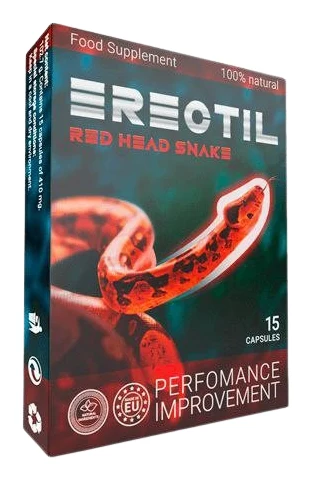
Erectil
Herbal blend with a published ingredient list
4.7 · 12 published reviews
KSh 5,900 KSh 11,800 −50%
Most people look at the front of a supplement pack, which is advertising, and never read the back, which is information. The back is where you find out whether the product is worth what you paid for it.
Farma360 editorial team · reviewed against our editorial policy

Every amount on a label is stated per serving, and a serving is not always one capsule. A product listing an impressive quantity of an ingredient per serving of three capsules is delivering a third of that per capsule, and the bottle will last a third as long as you assumed.
This is the most common way labels mislead without lying. Check the serving size first, then read every other number in relation to it, then divide the pack size by the daily serving to work out how many days a bottle actually lasts. That last number is what determines the real cost of a course.
A good label names each ingredient and states how much of it is present. A proprietary blend names ingredients but gives only a total for the blend, so you cannot tell whether the impressive-sounding botanical is 90% of the mix or a trace amount added for the label.
Proprietary blends are usually justified as protecting a formulation from competitors. They also make it impossible to compare products or to judge whether an ingredient is present at a meaningful level. Treat a blend as less informative than a named list, and treat a product with no ingredient information at all as the least informative option available.

Herbal blend with a published ingredient list. Name and phone only — an agent confirms the order by call and you pay the courier when the parcel reaches you.
KSh 5,900 KSh 11,800 −50% launch price
You will see two different ways of describing a plant extract, and they mean different things. A ratio such as 10:1 means ten parts of raw plant were used to produce one part of extract — a rough measure of concentration, not standardised between manufacturers.
Standardisation is more informative. "Standardised to 20% eurycomanone" or "standardised to 45% catechins" tells you the extract has been made to contain a specified amount of the compound of interest. Where a standardisation figure exists, it is usually the more meaningful number on the label.
Minerals are not absorbed equally in every form. Magnesium oxide is the cheapest and least well absorbed; citrate, glycinate and malate are absorbed better. Iron as ferrous sulfate is harsher on the stomach than gentler forms. Calcium carbonate needs stomach acid and should be taken with food, while calcium citrate does not.
A label that just says "magnesium" without naming a form is usually oxide. This is not a scandal, but it is worth knowing what you are buying, especially when comparing two products where one costs twice as much.

The ingredient list includes things that are not active: magnesium stearate as a flow agent, cellulose as a filler or capsule shell, silicon dioxide as an anti-caking agent, gelatin for capsule shells. These are normal manufacturing components, present in small amounts, and their presence is not a quality problem.
What they do matter for is dietary and allergy considerations. Gelatin capsules are usually bovine or porcine, which is relevant for some buyers. Lactose appears as a filler in some products. Shellfish-derived glucosamine is a genuine allergy concern. A label that lists these lets you check; one that does not, does not.
Listed at the launch price with delivery quoted on the confirmation call. Nothing is charged until the parcel reaches you.
KSh 6,500 KSh 13,000 −50% launch price
An expiry date and a batch number should both be present and legible. The batch number is what allows a product to be traced if there is a problem, and its absence is a meaningful warning sign rather than a minor omission.
Storage instructions matter more in Kenya than in temperate climates. Most supplements ask to be kept below 25 degrees, dry and out of direct sunlight. A bottle left in a car in Mombasa or on a sunny windowsill in Nairobi is being stored well outside that, and heat degrades many active compounds.
If you take nothing else from this page, use this as a checklist when a pack arrives.
Some products publish very little, and several in our own range fall into that group. We say so on each product page rather than filling the gap, because a supplements store inventing a composition is worse than one admitting the manufacturer has not published it.
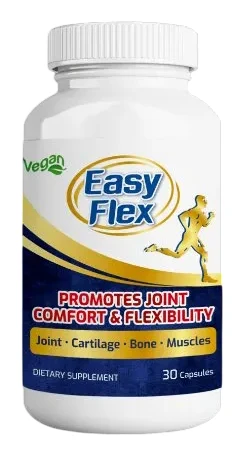
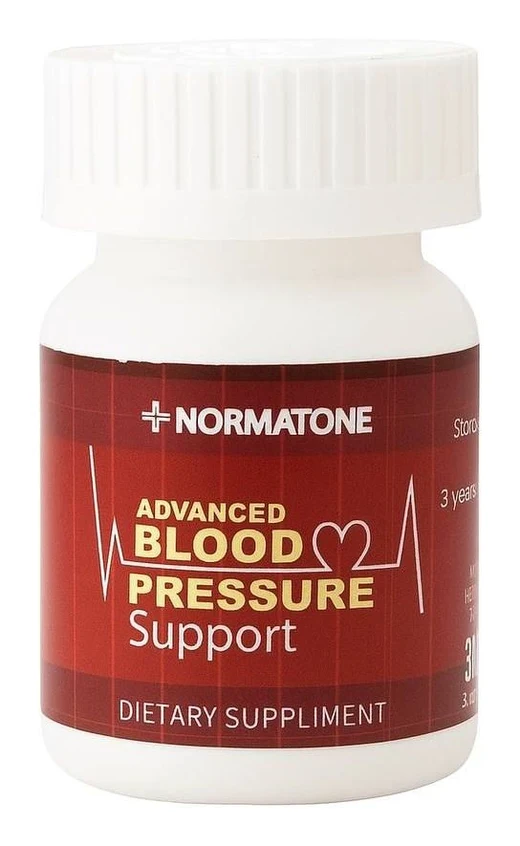
If a label is thin, you have two practical options. Ask the seller — a call centre agent can read the physical label to you before you accept a parcel. Or choose a product that does publish. In our range, Erectil, ProstCare, Easy Flex and Normatone all name their components, which is one legitimate reason to prefer them.
Herbal blend with a published ingredient list
4.7 · 12 published reviews
Nothing above treats a medical condition. See all supplements or read our editorial policy for how we decide what to publish.
A proprietary blend lists ingredients but gives only a combined total, so you cannot tell how much of each is present. It is less informative than a named list with individual amounts, which makes comparison and dose assessment impossible.
It indicates ten parts of raw plant were used per part of extract, but ratios are not standardised between manufacturers and do not guarantee active compound content. A standardisation percentage is more informative where one is given.
They are normal manufacturing components present in very small amounts and are not a quality concern. They do matter for allergies and dietary restrictions, which is why a full list is useful.
Most ask for storage below 25 degrees, dry and away from direct sunlight. Avoid cars, windowsills and hot kitchens — heat degrades many active compounds.
Treat that as a warning sign. A batch number is what allows a product to be traced if a problem arises, and its absence suggests manufacturing that is not fully documented.
Supplements sit in an awkward regulatory space in almost every country, and Kenya is no exception. Understanding roughly where the lines fal…
Counterfeit supplements are a real problem across the region, and health products are among the most commonly faked categories worldwide. Pa…
Back to all guides or the Farma360 home page.
Important. This guide is general information about food supplements and everyday health, not medical advice, and it does not replace consultation with a clinician. Never stop or change prescribed medication because of anything you read here. Medicines in Kenya are regulated by the Pharmacy and Poisons Board.