
How to Spot a Fake or Misrepresented Supplement in Kenya
Counterfeit supplements are a real problem across the region, and health products are among the most commonly faked categories worldwide. Packaging is easy to imitate and contents are almost impossible to check by eye. These are the practical signals worth knowing.
Farma360 editorial team · reviewed against our editorial policy

Why supplements are a target
Three things make a product attractive to counterfeiters: high margin, easy-to-copy packaging, and a buyer who cannot verify the contents. Supplements score on all three. A capsule filled with rice flour looks identical to a capsule filled with a standardised extract, and nobody opens one to check.
Demand matters too. Categories where people feel urgency — men's vitality, weight loss, diabetes, anything promising to solve a persistent problem — attract the most counterfeit activity, precisely because urgency lowers scepticism.
Signals in the claims
The strongest signal is not on the pack at all — it is in how the seller describes the product. A food supplement is a food rather than a medicine, so a well-run seller talks about supporting wellbeing, states the format and the course length, and answers questions about the label.
- Promises to resolve diabetes, high blood pressure, cancer, HIV or any named disease
- Any suggestion you can stop or reduce prescribed medication
- Specific outcome promises — a number of kilograms, a number of days, a guarantee
- Named local doctors, hospitals, government bodies or celebrities endorsing the product
- Fabricated-looking certificates, laboratory seals or government logos
- "Only 3 packs left" countdowns and artificial urgency

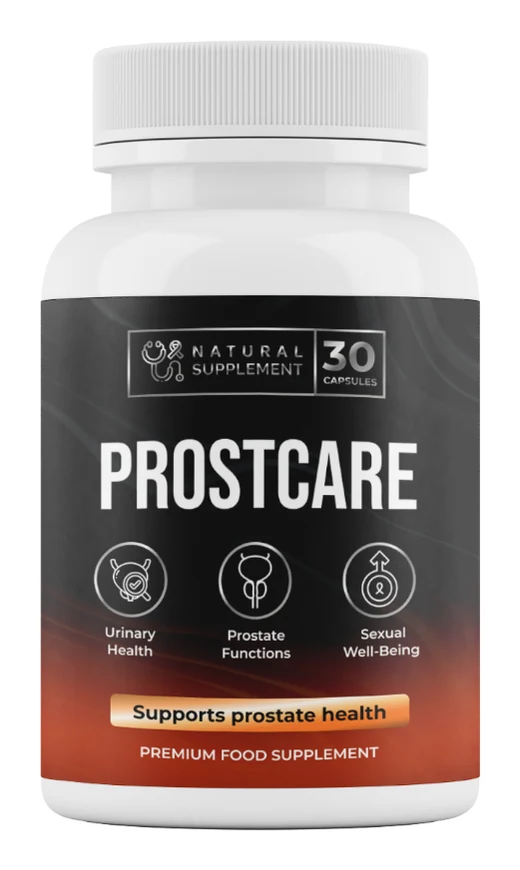
Order ProstCare at the launch price
Saw palmetto, green tea, lycopene and curcumin. Name and phone only — an agent confirms the order by call and you pay the courier when the parcel reaches you.
KSh 4,999 KSh 9,998 −50% launch price
Signals in the price
A genuine product has a cost floor: raw materials, manufacturing, import, distribution and margin. Nobody sells below that consistently. A price dramatically under what the same product costs elsewhere is not a bargain, it is information.
The opposite signal exists too. A wildly inflated price attached to extravagant claims is the classic structure of a scam aimed at desperate buyers — particularly in the diabetes and cancer categories, where people will pay almost anything.
Signals in the packaging
Look at the physical pack when it arrives, before you pay if you are buying on delivery. Genuine manufacturing has a certain consistency; counterfeits usually fail somewhere.
- Spelling and grammar errors on the label — genuine manufacturers proofread
- Blurred or misaligned printing, or a label that does not sit straight
- No manufacturer name and address anywhere on the pack
- No batch number or no expiry date, or a date that has been altered
- A seal that is already broken, or a seal that looks reapplied
- Capsules of inconsistent size, colour or fill within the same pack
- A smell that is strongly chemical or mouldy rather than herbal or neutral

Signals in the seller
A seller who can be identified and contacted is a different proposition from an anonymous social media account. Before ordering, look for whether there is a way to reach a person, whether the price and terms are stated clearly before you commit, and whether anything about the process pressures you to decide immediately.
On a marketplace, a seller with no history and no other listings selling a health product cheaply is the highest-risk combination available. On social media, an account that direct-messages you first is worse.
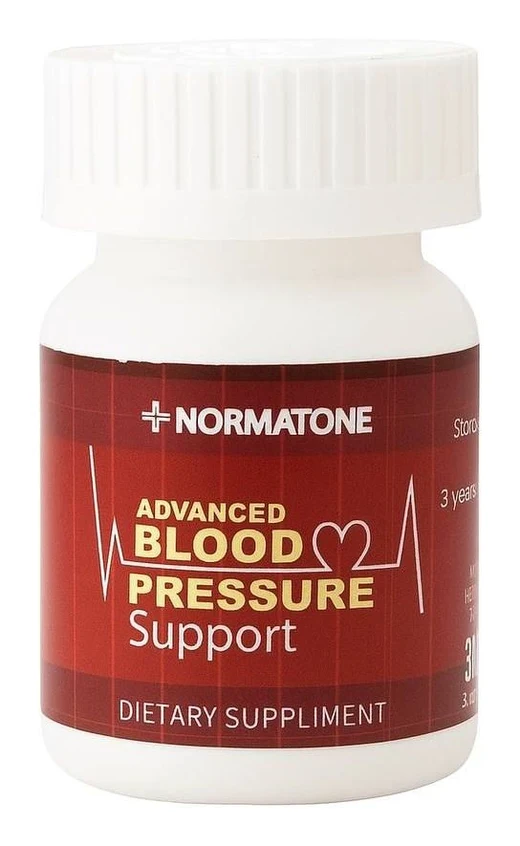
Ready to order Normatone?
Listed at the launch price with delivery quoted on the confirmation call. Nothing is charged until the parcel reaches you.
KSh 6,750 KSh 13,500 −50% launch price
What to do when the parcel arrives
Pay-on-delivery gives you a moment of leverage that prepayment does not, and it is worth using. Open the outer packaging in front of the courier, look at the pack, and check it against the list above before handing over money. If something is clearly wrong, decline the parcel.
If you have already paid and something is wrong, stop taking the product, keep the pack, and take it to a pharmacy for an opinion. Suspected counterfeit or unsafe products can be reported to the Pharmacy and Poisons Board or the Kenya Bureau of Standards, and reporting is what eventually removes a seller from the market.
The single most useful habit
Ask a pharmacist. A licensed pharmacy counter will look at a supplement label and give you a view in a minute, free of charge. Pharmacists see the products that circulate in their area, they know what looks wrong, and they can check interactions with anything you already take.
It is the cheapest quality check available anywhere in the supplement market, and almost nobody uses it.
Products related to this topic
Nothing above treats a medical condition. See all supplements or read our editorial policy for how we decide what to publish.
Questions and answers
How can I tell if a supplement is genuine before ordering?
You cannot verify contents in advance, but you can assess the seller and the claims. Identifiable seller, clear price and terms, no disease-cure claims, no artificial urgency, and a price consistent with the market are the signals that matter most.
Is pay on delivery protection against counterfeits?
It protects your money until the parcel arrives and lets you inspect the pack before paying, which is genuinely useful. It does not tell you what is inside the capsules.
Where do I report a suspected fake supplement in Kenya?
The Pharmacy and Poisons Board handles medicinal products and medicinal claims; the Kenya Bureau of Standards handles product standards and labelling. Keep the pack and any order records.
Are supplements sold on social media safe?
Some sellers are legitimate, but social media has no verification layer at all and is where the highest-risk selling happens. An account that messages you first, promises a cure, or pressures you to decide immediately is a clear signal to stop.
What is the single best check I can do?
Take the pack or label to any pharmacy counter and ask a pharmacist. It is free, it takes a minute, and it catches both counterfeit signals and interaction risks with medicines you already take.
Related guides
How Dietary Supplements Are Regulated in Kenya
Supplements sit in an awkward regulatory space in almost every country, and Kenya is no exception. Understanding roughly where the lines fal…
How to Read a Supplement Label Properly
Most people look at the front of a supplement pack, which is advertising, and never read the back, which is information. The back is where y…
Back to all guides or the Farma360 home page.
Important. This guide is general information about food supplements and everyday health, not medical advice, and it does not replace consultation with a clinician. Never stop or change prescribed medication because of anything you read here. Medicines in Kenya are regulated by the Pharmacy and Poisons Board.